

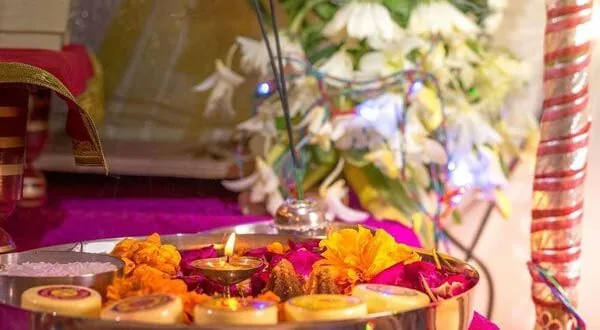
Vishwakarma Puja, also called Vishwakarma Day and, in many places, Vishwakarma Jayanti, holds a special place in the Hindu calendar. It is unusual among festivals in being devoted to work itself: to the skill of the hands, the tools that serve it and the people who build, repair and make things. Lord Vishwakarma is lovingly called the craftsman of the gods, the god of architecture, the first engineer and the lord of machines, and these titles explain why the day matters so much to so many.
Spiritual significance
At its heart, the puja honours creation. In the Rigveda, Vishvakarman is praised as the all-maker who shaped heaven and earth, and in later tradition Lord Vishwakarma is the deva-shilpi who built the cities and weapons of the gods. Devotees believe that when a person creates something with care and skill, they share in a small way in this divine work. Worshipping Lord Vishwakarma is therefore also a way of seeing ordinary work as sacred.
According to tradition, his creations include Dwarka for Lord Krishna, the golden city of Lanka, the Pushpaka Vimana and Indra's Vajra. Popular belief links his work to the different ages (yugas): the heavenly realm (Swarga) in the Satya Yuga, Lanka in the Treta Yuga and Dwarka in the Dwapara Yuga. To devotees, these stories show that every great achievement rests on knowledge, planning and patient craftsmanship. The history of Vishwakarma Puja tells these stories in more detail.
The dignity of labour
Few festivals celebrate workers as directly as this one. Carpenters, blacksmiths, weavers, masons, mechanics, electricians, welders, drivers, engineers, architects and factory workers all regard Lord Vishwakarma as their patron. On this day the skill of a mechanic or a mason is itself treated as an offering to the divine. The festival carries a simple message: no honest work is small, and the hands that build the world deserve respect.
Why tools and machines are worshipped
The most distinctive custom of the day is the worship of tools, machines and vehicles. Each one is cleaned, decorated and given tilak, flowers and akshat, and work usually stops so that the tools can rest. Devotees believe this shows gratitude for the livelihood the tools provide and invites Lord Vishwakarma's blessing for safe and smooth work in the year ahead.
The custom also has a practical side. A thorough yearly cleaning and inspection helps keep equipment in good order, and many workshops use the occasion to tidy up, note repairs and organise. The items used for the puja are listed on the Vishwakarma Puja items page.
Significance of the date
In eastern India and in many workplaces across the country, Vishwakarma Puja is observed on Kanya Sankranti, the day the sun enters Kanya (Virgo) in the sidereal solar calendar, usually 16, 17 or 18 September. Because it follows the sun, it is one of the few Hindu festivals with a nearly fixed date. In parts of North India, such as Punjab, Haryana, Delhi and Himachal Pradesh, Vishwakarma Day is kept on the day after Diwali, alongside Govardhan Puja, and some communities observe Vishwakarma Jayanti on Magha Shukla Trayodashi. The exact dates for coming years are on the Vishwakarma Puja date page.
Social and cultural significance
Vishwakarma Puja brings people together. Factories, workshops, garages and offices set up pandals with an image or idol of Lord Vishwakarma, and workers, managers and their families gather for a shared puja. Many workplaces close for the day, and some organise cultural programmes and community meals. Prasad is given to everyone, which reflects the belief that the success of any enterprise belongs to all who work for it.
In West Bengal, Odisha, Jharkhand, Bihar, Assam and Tripura, the festival has a lively public character, with decorated pandals and, in Bengal and Bihar, kites flying over rooftops and fields. At home, families who run small businesses or use tools in their trade also keep the day with a simple puja.
What the festival teaches
- Respect for skill: knowledge and craftsmanship are treated as sacred gifts to be used well.
- Gratitude: the puja is a time to give thanks for work and livelihood.
- Care: looking after tools and workplaces is part of devotion.
- Unity: everyone in a workplace worships together and shares the same prasad.
- Creativity: the festival encourages people to take pride in building and making things.
Frequently asked questions
Is Vishwakarma Puja the birthday of Lord Vishwakarma?
Many people call it Vishwakarma Jayanti and celebrate it as his appearance day. Some communities, however, keep a separate Vishwakarma Jayanti on Magha Shukla Trayodashi. Both observances honour the same deity.
Why is it important for engineers and industries?
Lord Vishwakarma is revered as the first engineer and architect, so those who design, build and run machines see him as their patron and seek his blessings for their work.
Can the puja be done at home?
Yes. Families can worship Lord Vishwakarma at home along with the tools, vehicles or equipment they use. The steps are described in the Vishwakarma Puja vidhi.
विश्वकर्मा पूजा, जिसे विश्वकर्मा दिवस और कई जगहों पर विश्वकर्मा जयंती भी कहा जाता है, हिंदू पंचांग में एक विशेष स्थान रखती है। यह पर्व इस मायने में अनोखा है कि यह स्वयं काम को समर्पित है: हाथों के हुनर को, उस हुनर में साथ देने वाले औज़ारों को और उन लोगों को जो चीज़ें बनाते, जोड़ते और सुधारते हैं। भगवान विश्वकर्मा को प्रेम से देवताओं का शिल्पकार, वास्तु के देवता, प्रथम इंजीनियर और मशीनों के देवता कहा जाता है, और यही उपाधियां बताती हैं कि यह दिन इतने लोगों के लिए क्यों इतना महत्वपूर्ण है।
आध्यात्मिक महत्व
मूल रूप से यह पूजा सृजन का सम्मान है। ऋग्वेद में विश्वकर्मा की स्तुति सर्वस्रष्टा के रूप में की गई है, जिन्होंने आकाश और पृथ्वी को आकार दिया, और बाद की परंपरा में भगवान विश्वकर्मा देवशिल्पी हैं, जिन्होंने देवताओं के नगर और अस्त्र बनाए। भक्तों का विश्वास है कि जब कोई व्यक्ति लगन और कौशल से कुछ रचता है, तो वह इस दिव्य कार्य में थोड़ा-सा भागीदार बनता है। इसलिए भगवान विश्वकर्मा की पूजा साधारण काम को भी पवित्र मानने का एक तरीका है।
परंपरा के अनुसार उनकी रचनाओं में भगवान श्रीकृष्ण की द्वारका, सोने की लंका, पुष्पक विमान और इंद्र का वज्र शामिल हैं। लोक मान्यता उनके कार्यों को अलग-अलग युगों से जोड़ती है: सतयुग में स्वर्गलोक, त्रेता युग में लंका और द्वापर युग में द्वारका। भक्तों के लिए ये कथाएं बताती हैं कि हर बड़ी उपलब्धि ज्ञान, योजना और धैर्यपूर्ण कारीगरी पर टिकी होती है। ये कथाएं विश्वकर्मा पूजा का इतिहास में विस्तार से दी गई हैं।
श्रम की गरिमा
बहुत कम पर्व श्रमिकों का इतना सीधा सम्मान करते हैं। बढ़ई, लोहार, बुनकर, राजमिस्त्री, मैकेनिक, बिजली मिस्त्री, वेल्डर, ड्राइवर, इंजीनियर, वास्तुकार और कारखानों के श्रमिक, सभी भगवान विश्वकर्मा को अपना संरक्षक मानते हैं। इस दिन मैकेनिक या राजमिस्त्री का हुनर भी ईश्वर को अर्पित भेंट के समान माना जाता है। इस पर्व का संदेश सरल है: कोई भी ईमानदार काम छोटा नहीं होता, और दुनिया बनाने वाले हाथ सम्मान के पात्र हैं।
औज़ारों और मशीनों की पूजा क्यों होती है
इस दिन की सबसे खास परंपरा है औज़ारों, मशीनों और वाहनों की पूजा। हर औज़ार को साफ़ करके सजाया जाता है, उस पर तिलक लगाकर फूल और अक्षत चढ़ाए जाते हैं, और आमतौर पर काम रोक दिया जाता है ताकि औज़ारों को भी विश्राम मिले। भक्त मानते हैं कि इससे उन औज़ारों के प्रति आभार प्रकट होता है जो रोज़ी-रोटी देते हैं, और आने वाले साल में सुरक्षित व निर्विघ्न काम के लिए भगवान विश्वकर्मा का आशीर्वाद मिलता है।
इस परंपरा का एक व्यावहारिक पक्ष भी है। साल में एक बार की पूरी सफ़ाई और जांच से उपकरण अच्छी हालत में रहते हैं, और कई कार्यशालाएं इस मौके पर साफ़-सफ़ाई करती हैं, ज़रूरी मरम्मत नोट करती हैं और सामान को व्यवस्थित करती हैं। पूजा में लगने वाली सामग्री की सूची विश्वकर्मा पूजा सामग्री पेज पर दी गई है।
तिथि का महत्व
पूर्वी भारत और देशभर के कई कार्यस्थलों पर विश्वकर्मा पूजा कन्या संक्रांति को होती है, जब नाक्षत्र सौर पंचांग के अनुसार सूर्य कन्या राशि में प्रवेश करते हैं। यह दिन आमतौर पर 16, 17 या 18 सितंबर को पड़ता है। सूर्य की गति पर आधारित होने के कारण यह उन गिने-चुने हिंदू पर्वों में से है जिनकी तारीख लगभग तय रहती है। उत्तर भारत के कुछ हिस्सों, जैसे पंजाब, हरियाणा, दिल्ली और हिमाचल प्रदेश में विश्वकर्मा दिवस दिवाली के अगले दिन गोवर्धन पूजा के साथ मनाया जाता है, और कुछ समुदाय माघ शुक्ल त्रयोदशी को विश्वकर्मा जयंती मनाते हैं। आने वाले वर्षों की सही तिथियां विश्वकर्मा पूजा की तिथि पेज पर हैं।
सामाजिक और सांस्कृतिक महत्व
विश्वकर्मा पूजा लोगों को एक साथ लाती है। कारखानों, कार्यशालाओं, गैराजों और दफ़्तरों में भगवान विश्वकर्मा की प्रतिमा या चित्र के साथ पंडाल सजते हैं, और श्रमिक, प्रबंधक और उनके परिवार मिलकर पूजा करते हैं। कई कार्यस्थल उस दिन बंद रहते हैं, और कुछ जगहों पर सांस्कृतिक कार्यक्रम और सामूहिक भोज भी होते हैं। प्रसाद सबको दिया जाता है, जो इस विश्वास को दर्शाता है कि किसी भी उद्यम की सफलता उसमें काम करने वाले हर व्यक्ति की है।
पश्चिम बंगाल, ओडिशा, झारखंड, बिहार, असम और त्रिपुरा में इस पर्व की रौनक देखते ही बनती है। जगह-जगह सजे हुए पंडाल दिखते हैं, और बंगाल व बिहार में छतों और खेतों के ऊपर पतंगें उड़ती हैं। घरों में भी, जो परिवार छोटा व्यवसाय चलाते हैं या अपने काम में औज़ारों का उपयोग करते हैं, वे सरल पूजा करके यह दिन मनाते हैं।
यह पर्व क्या सिखाता है
- हुनर का सम्मान: ज्ञान और कारीगरी को ईश्वर की पवित्र देन माना जाता है, जिसका सदुपयोग होना चाहिए।
- कृतज्ञता: यह पूजा काम और आजीविका के लिए धन्यवाद देने का अवसर है।
- देखभाल: औज़ारों और कार्यस्थल का ध्यान रखना भी भक्ति का हिस्सा है।
- एकता: कार्यस्थल के सभी लोग साथ पूजा करते हैं और एक ही प्रसाद बांटते हैं।
- सृजनशीलता: यह पर्व लोगों को कुछ बनाने और रचने पर गर्व करना सिखाता है।
अक्सर पूछे जाने वाले प्रश्न
क्या विश्वकर्मा पूजा भगवान विश्वकर्मा का जन्मदिन है?
बहुत से लोग इसे विश्वकर्मा जयंती कहते हैं और उनके प्राकट्य दिवस के रूप में मनाते हैं। हालांकि कुछ समुदाय माघ शुक्ल त्रयोदशी को अलग से विश्वकर्मा जयंती मनाते हैं। दोनों ही अवसर एक ही देवता को समर्पित हैं।
इंजीनियरों और उद्योगों के लिए यह पूजा क्यों महत्वपूर्ण है?
भगवान विश्वकर्मा को प्रथम इंजीनियर और वास्तुकार माना जाता है, इसलिए जो लोग मशीनें डिज़ाइन करते, बनाते और चलाते हैं, वे उन्हें अपना संरक्षक मानकर अपने काम के लिए उनका आशीर्वाद मांगते हैं।
क्या यह पूजा घर पर की जा सकती है?
हां। परिवार घर पर भगवान विश्वकर्मा के साथ अपने औज़ारों, वाहनों या उपकरणों की पूजा कर सकते हैं। पूरी विधि विश्वकर्मा पूजा विधि में दी गई है।